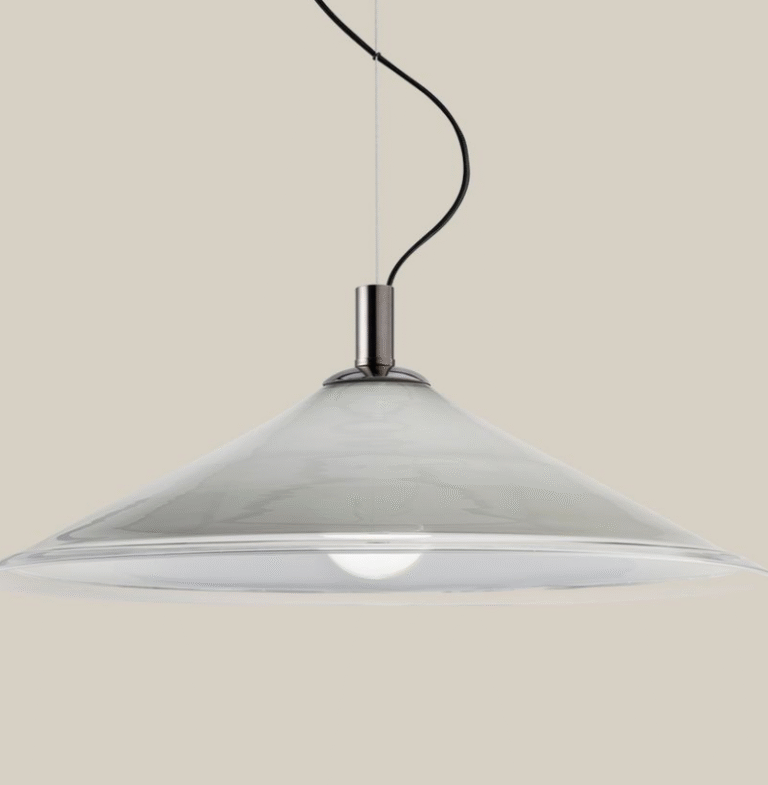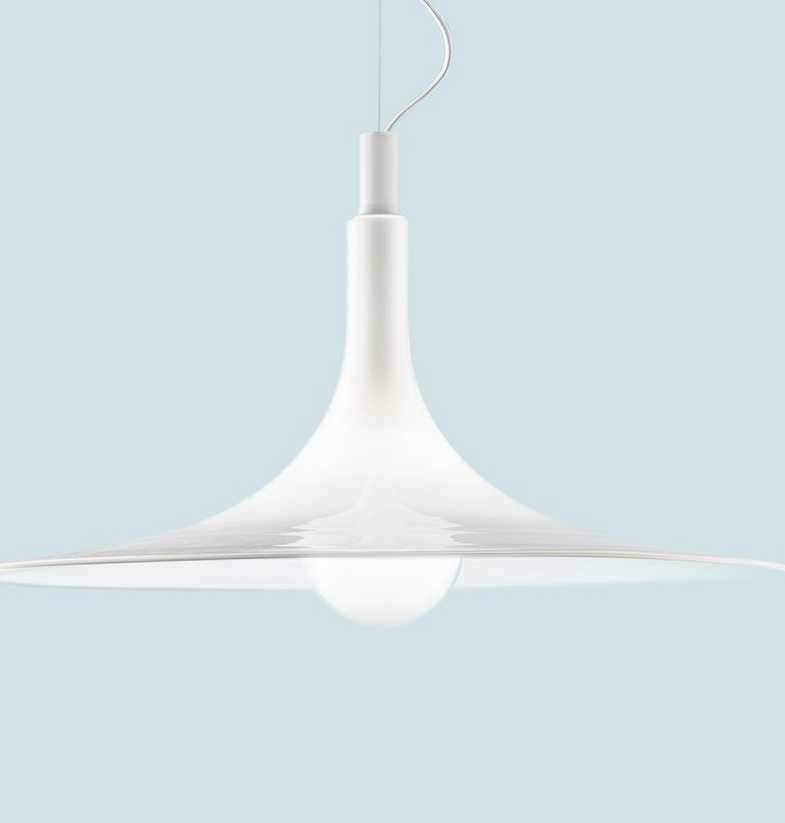
Blown Glass Chandeliers: Where Artistry Meets Light
Blown glass chandeliers represent one of the highest expressions of decorative lighting. More than functional objects, they are sculptural artworks that combine light, transparency, and craftsmanship into a single, captivating form. Their appeal lies in the balance between technical mastery and artistic freedom.
The blown glass technique involves shaping molten glass by hand, using breath and precise movements to create fluid forms. This process requires years of experience, as the material must be manipulated at extremely high temperatures within a limited timeframe. Every curve, thickness, and proportion is the result of human skill rather than mechanical repetition.
What makes blown glass chandeliers particularly distinctive is their organic character. Unlike rigid, industrial lighting solutions, blown glass elements have natural variations that give each chandelier a unique identity. Subtle differences in shape or color are not imperfections, but signatures of craftsmanship.
From a design perspective, blown glass chandeliers are incredibly versatile. They can feature classic compositions with elegant arms and delicate transparency, or contemporary structures with bold volumes and artistic asymmetry. This adaptability allows them to complement both traditional interiors and modern architectural spaces.
Light interaction is another defining element. Blown glass diffuses and reflects light in a soft, dynamic way, creating depth and atmosphere within a room. The result is lighting that enhances spatial perception while maintaining a warm and inviting ambiance.
In luxury interiors, blown glass chandeliers often serve as focal points. Positioned in living rooms, dining areas, or hospitality spaces, they draw attention without overwhelming the environment. Their presence conveys refinement, individuality, and an appreciation for handcrafted design.
Choosing blown glass chandeliers means investing in authenticity. In a market saturated with mass-produced lighting, these pieces stand out for their artistic value and long-term relevance. They are not defined by trends, but by craftsmanship, making them timeless additions to sophisticated interiors.