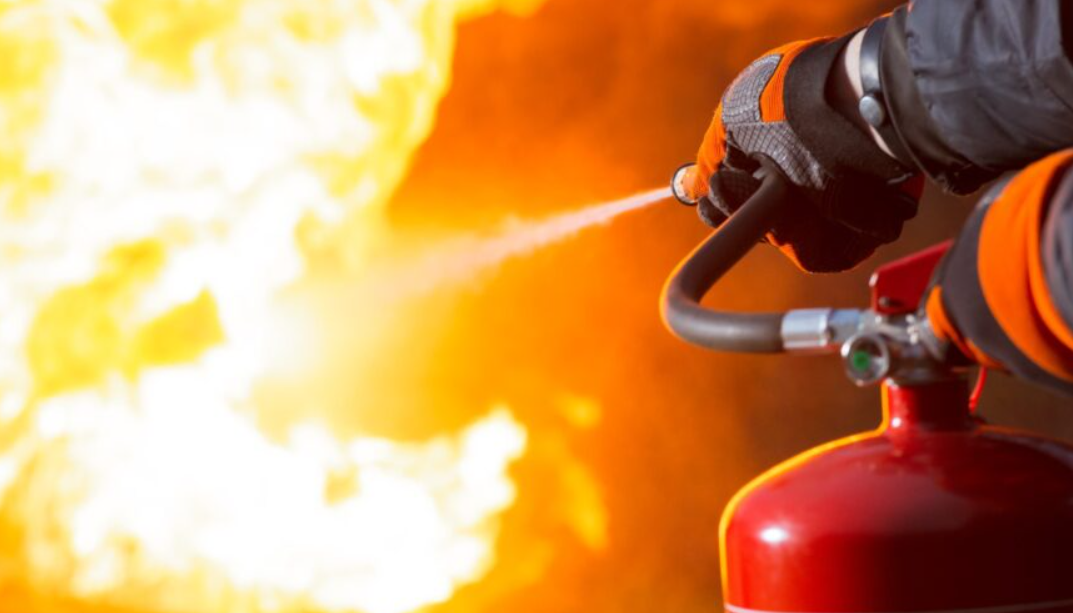
Fire Risk Assessment: An Expert-Level Approach to Identifying, Evaluating, and Controlling Fire Hazards
Introduction: Why Fire Risk Assessment Matters More Than Ever
Fire remains one of the most serious threats to buildings, workplaces, and public spaces. Despite advances in technology and safety standards, fires still occur due to poor planning, lack of awareness, or failure to assess risks properly. A well-executed Fire Risk Assessment acts as the foundation of any strong fire safety management system.
Instead of reacting to emergencies, organizations that conduct regular assessments stay prepared, compliant, and resilient. Fire risk assessment is not just about meeting regulations—it is about protecting people and ensuring long-term operational stability.
Defining Fire Risk Assessment in a Practical Context
A fire risk assessment is a detailed and logical evaluation of potential fire hazards within a premises. It identifies conditions that could lead to a fire, assesses how likely a fire is to occur, and determines the severity of potential consequences.
The assessment also evaluates whether existing fire safety measures are sufficient or if additional controls are required. The outcome is a clear action plan aimed at reducing risk to the lowest reasonably practicable level.
See also: Clever Tips That Help You Use Your XL Projector Screen the Right Way from Day One
Key Elements of Fire Risk Assessment
Every effective fire risk assessment is built on three core elements:
Hazard Identification
Recognizing anything that could start or fuel a fire.
Risk Evaluation
Understanding how likely a fire is and how serious the impact could be.
Risk Control
Applying measures to prevent, detect, or respond to fire incidents.
These elements work together to create a complete fire safety picture.
Types of Fire Hazards Commonly Identified
Ignition Hazards
- Electrical faults
- Overheated machinery
- Open flames
- Hot work activities
Fuel Hazards
- Flammable liquids and gases
- Paper, packaging, and waste
- Furniture and textiles
Oxygen Sources
- Natural airflow
- Mechanical ventilation systems
- Oxygen-enriched environments
Removing or controlling any one of these elements can significantly reduce fire risk.
Understanding Risk Levels and Fire Scenarios
Risk is a combination of likelihood and severity.
Low Risk
Unlikely ignition sources with strong preventive controls.
Medium Risk
Potential ignition sources with moderate controls in place.
High Risk
Frequent ignition sources, large fuel loads, or vulnerable occupants.
A fire risk assessment must consider worst-case scenarios, not just everyday operations.
Identifying Vulnerable Occupants
Certain individuals require additional protection during a fire emergency.
High-Risk Occupants Include
- People with mobility impairments
- Hearing or vision-impaired individuals
- Elderly residents
- Children
- Lone workers
Personal Emergency Evacuation Plans (PEEPs) are often required to ensure their safety.
Fire Prevention Through Design and Layout
Good building design plays a major role in fire safety.
Preventive Design Features
- Fire-resistant materials
- Compartmentation to slow fire spread
- Adequate separation between hazards
- Proper storage areas for flammable substances
Fire risk assessment evaluates whether the design supports safe evacuation and fire control.
Fire Detection, Warning, and Alert Systems
Early warning systems save lives.
Detection and Warning Measures
- Smoke and heat detectors
- Manual alarm call points
- Audible and visual alarms
- Remote monitoring systems
A fire risk assessment ensures these systems are suitable, maintained, and tested regularly.
Firefighting Measures and First Response
While evacuation is the priority, firefighting equipment plays a vital supporting role.
Firefighting Equipment Considerations
- Correct extinguisher types
- Strategic placement
- Clear signage
- User training
Incorrect or poorly maintained equipment can increase danger rather than reduce it.
Emergency Escape Routes and Exits
Safe escape routes are critical during emergencies.
Assessment of Escape Routes Includes
- Travel distance to exits
- Exit width and capacity
- Emergency lighting
- Exit signage
- Obstruction-free pathways
Fire risk assessment verifies that occupants can evacuate quickly and safely.
Fire Safety Management and Responsibilities
Fire safety is a shared responsibility.
Key Roles
- Responsible person or employer
- Fire wardens or marshals
- Maintenance teams
- Employees and occupants
Clear responsibilities reduce confusion during emergencies and improve compliance.
Training and Fire Safety Awareness
People are often the weakest or strongest link in fire safety.
Essential Training Areas
- Fire prevention practices
- Alarm response procedures
- Evacuation drills
- Use of firefighting equipment
Regular training reinforces correct behavior and reduces panic.
Documentation and Compliance Records
Written records provide evidence of safety management.
Required Documentation
- Fire risk assessment reports
- Maintenance schedules
- Training records
- Drill reports
Documentation must be accurate, updated, and accessible.
Reviewing Fire Risk Assessment for Continuous Safety
Fire risk assessment is a living document.
When to Review
- Structural changes
- Process or equipment changes
- Increase in occupancy
- After incidents or near misses
Regular reviews ensure risks remain controlled over time.
FAQs About Fire Risk Assessment
1. What is the main goal of fire risk assessment?
To prevent fires and reduce harm if a fire occurs.
2. Is fire risk assessment only for large buildings?
No, it applies to buildings of all sizes.
3. How detailed should a fire risk assessment be?
It should match the complexity and risk level of the premises.
4. Can outdated assessments cause legal issues?
Yes, outdated assessments may lead to non-compliance.
5. Does fire risk assessment include evacuation planning?
Yes, evacuation is a core part of the assessment.
6. Who enforces fire risk assessment compliance?
Local fire authorities and regulatory bodies.
Conclusion
A comprehensive Fire Risk Assessment is a powerful tool that transforms fire safety from a reactive task into a proactive strategy. By identifying hazards, evaluating risks, and implementing effective controls, organizations can protect lives, property, and reputations.
Fire safety is not achieved through equipment alone—it requires planning, people, and ongoing commitment. A strong fire risk assessment ensures that when fire risks arise, they are managed with confidence and control.